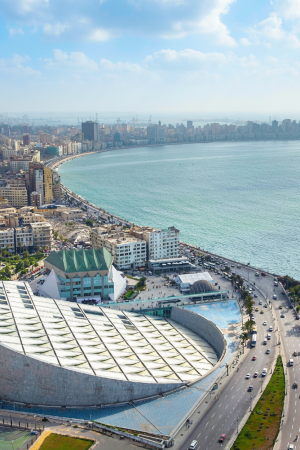
Egypt is the cradle of human civilization: a fact hardly contested among authoritative historians. But Egypt also enjoys a focal geopolitical position, connecting Africa, Asia, and Europe through the Mediterranean Sea. On its land, migrations of people, traditions, philosophies and religious beliefs succeeded each other for thousands of years. Evidence of this succession is still visible in the accumulation of monuments and sites attesting to a uniquely comprehensive cultural heritage. Indeed, one of the phenomena which shaped Egypt's distinctive identity, and explains its pervasive influence on the then known world, was a dynamism that accommodated and re-formulated these successive cultures into one homogenous and harmonious Egyptian canvas. Egypt is one civilization woven of many strands, threaded by successive and intertwining eras; the Pharaonic, the Graeco-Roman, the Coptic Christian, and the Islamic eras.
Hotels
Egypt is the cradle of human civilization: a fact hardly contested among authoritative historians. But Egypt also enjoys a focal geopolitical position, connecting Africa, Asia, and Europe through the Mediterranean Sea. On its land, migrations of people, traditions, philosophies and religious beliefs succeeded each other for thousands of years. Evidence of this succession is still visible in the accumulation of monuments and sites attesting to a uniquely comprehensive cultural heritage. Indeed, one of the phenomena which shaped Egypt's distinctive identity, and explains its pervasive influence on the then known world, was a dynamism that accommodated and re-formulated these successive cultures into one homogenous and harmonious Egyptian canvas. Egypt is one civilization woven of many strands, threaded by successive and intertwining eras; the Pharaonic, the Graeco-Roman, the Coptic Christian, and the Islamic eras.
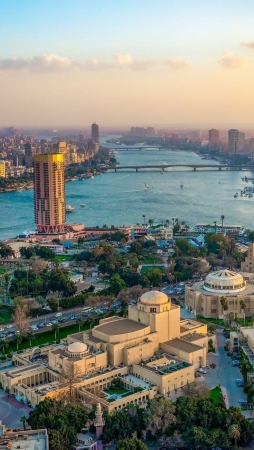
Cairo Hotels
Cairo is also ranked as one of the most densely populated cities in the world.
Cairo was founded by the Fatimid dynasty in the 10th Century, but the land composing the present-day city was the site of national capitals whose remnants remain visible in parts of Old Cairo.
Cairo is also associated withAncient Egypt due to its proximity to the ancient cities of Memphis, Giza and Fustat which are nearby to the Great Sphinx and the pyramids of Giza.
Hurghada Hotels
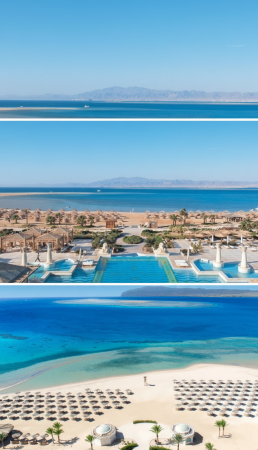
Hurghada (Arabic: الغردقة Al Ghurdaqah) is a renowned coastal city in the Red Sea Governorate of Egypt and one of the country’s leading tourist destinations. Originally founded as a small fishing village in the early 20th century, Hurghada has developed rapidly since the 1980s into a world-class seaside resort through major Egyptian and international investments. Today, it stretches along the Red Sea coast and is famous for its crystal-clear waters, vibrant coral reefs, and year-round sunshine.
Hurghada is home to a wide selection of luxury hotels and beachfront resorts, offering international standards of comfort and service. Most hotels feature private beaches, multiple swimming pools, spa and wellness facilities, and a variety of dining options. The city is especially popular for scuba diving, snorkeling, sailing, and water sports, making it an ideal destination for relaxation, adventure, and family holidays. With its modern resorts, natural marine beauty, and excellent tourism infrastructure, Hurghada remains one of the top Red Sea holiday destinations in Egypt.
Sharm El Sheikh Hotels
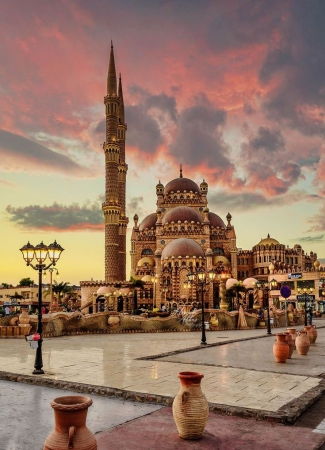
Sharm El-Sheikh (Arabic: شرم الشيخ Sharm ash-Shaykh) is a world-famous resort city located on the southern tip of the Sinai Peninsula in Egypt, overlooking the Red Sea. Once a small fishing village, Sharm El-Sheikh began its transformation in the late 20th century into one of the Middle East’s most important tourism destinations. Today, it is internationally recognized for its well-planned resorts, modern infrastructure, and stunning natural surroundings.
The city is renowned for its luxury hotels and all-inclusive resorts, many set directly on private beaches with panoramic Red Sea views. Sharm El-Sheikh is especially famous for its exceptional coral reefs, crystal-clear waters, and marine life, making it one of the world’s top destinations for scuba diving and snorkeling, particularly in areas like Ras Mohammed National Park and Tiran Island. With its year-round sunshine, vibrant nightlife, and wide range of leisure and water-sport activities, Sharm El-Sheikh remains one of the top Red Sea holiday destinations in Egypt for relaxation, adventure, and luxury travel.
Luxor Hotels
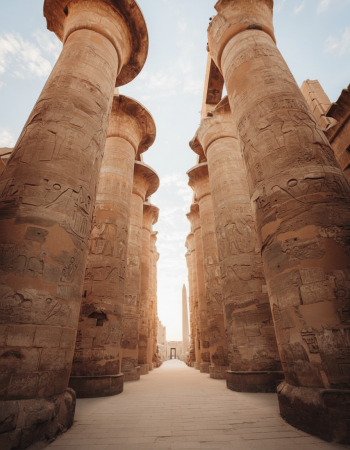
Luxor Hotels are located in one of Egypt’s most historically significant cities. Luxor (Arabic: الأقصر Al Aqṣur) is a city in Upper (southern) Egypt and the capital of the Luxor Governorate, with a population of approximately 487,896 (2010 estimate) and an area of around 416 square kilometres (161 sq mi). Built on the site of the ancient Egyptian city of Thebes, Luxor is often described as the “world’s greatest open-air museum”, offering visitors a unique opportunity to stay near some of the world’s most important archaeological sites.
Many hotels in Luxor are ideally located along the Nile River or close to major landmarks, providing easy access to the Karnak Temple and Luxor Temple, both situated within the modern city. On the opposite bank of the Nile, the famous West Bank Necropolis features world-renowned sites such as the Valley of the Kings and the Valley of the Queens, making Luxor hotels a preferred choice for travelers focused on history, culture, and convenience.
Each year, thousands of international tourists choose Luxor hotels as their base to explore the city’s temples, tombs, and monuments, contributing significantly to the local economy. With options ranging from luxury Nile-view hotels to comfortable city accommodations, Luxor offers a wide selection of hotels designed to meet the needs of cultural travelers, tour groups, and leisure guests seeking a memorable stay in historic Egypt.
Aswan Hotels
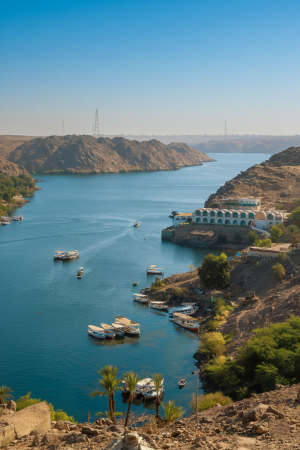
Aswan (Arabic: أسوان Aswān, Ancient Egyptian: Swenet, formerly spelled Assuan) is a city in the south of Egypt, the capital of the Aswan Governorate.
Aswan is the ancient city of Swenet, which in antiquity was the frontier town of Ancient Egypt to the south. Swenet is supposed to have derived its name from an Egyptian goddess with the same name. This goddess later was identified as Eileithyia by the Greeks and Lucina by the Romans during their occupation of Ancient Egypt because of the similar association of their goddesses with childbirth, and of which the import is "the opener". The ancient name of the city also is said to be derived from the Egyptian symbol for trade.